
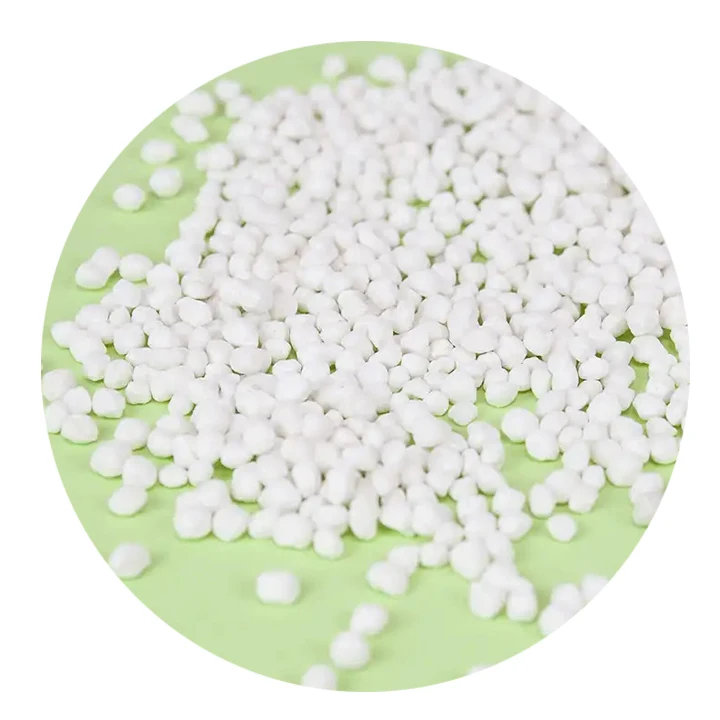
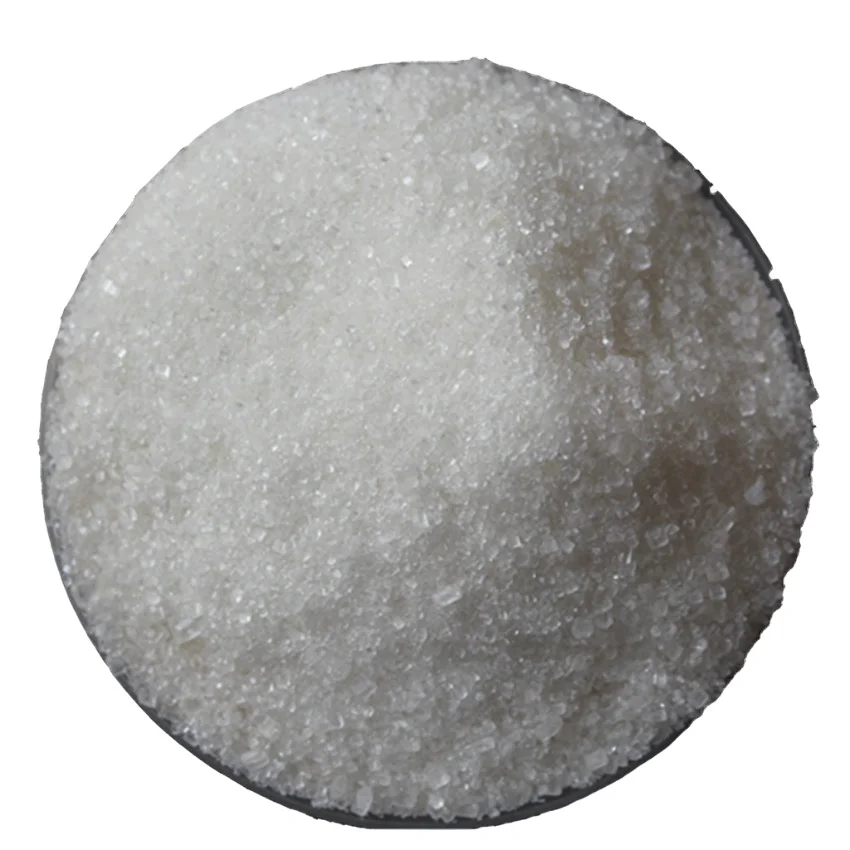
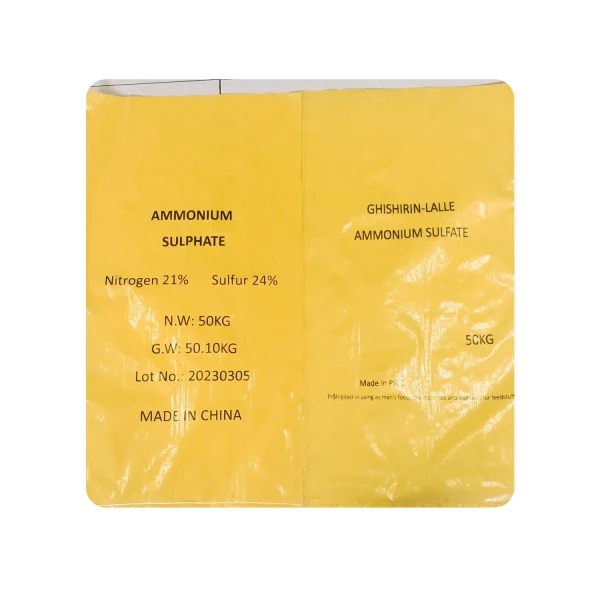
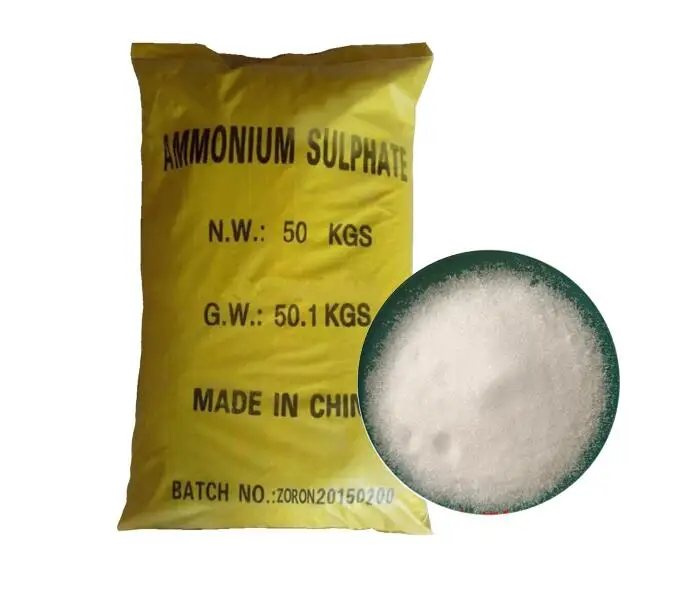
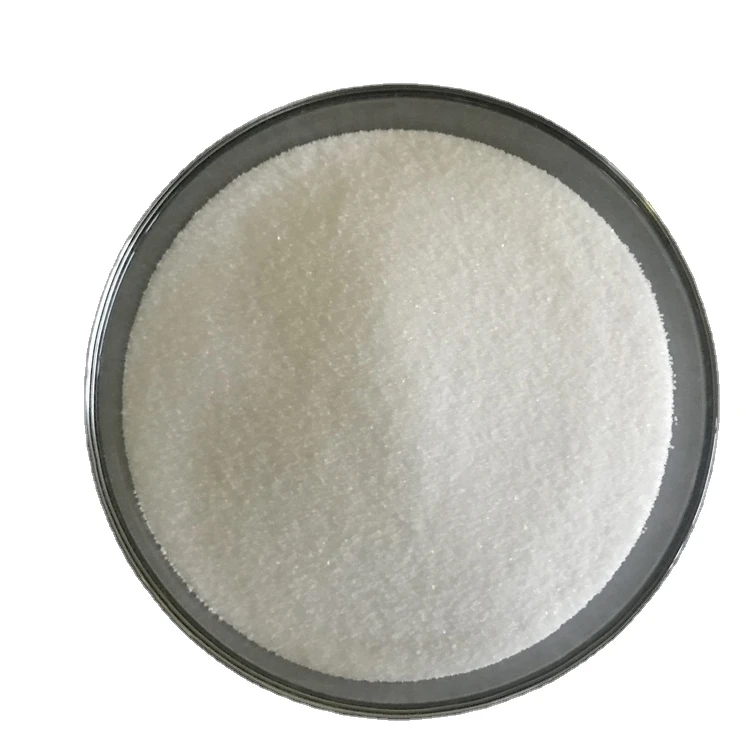
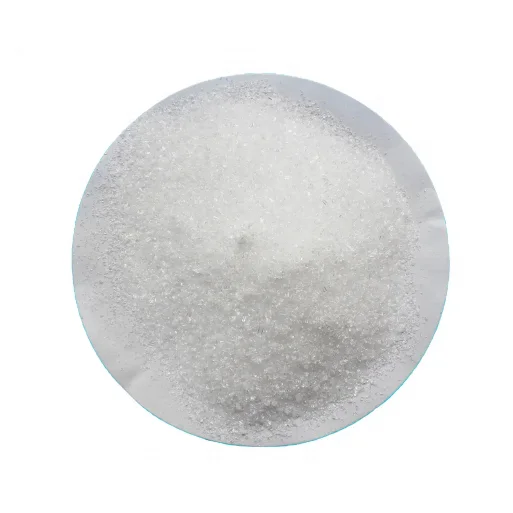
Did you ever stop and think about all those little, tiny pieces that everything is made of? One such piece is NH4 2 SO4. That’s a big word, but it’s a simple compound: ammonia and sulfuric acid. When those two things combine, they form NH4 2 SO4—I have also heard it referred to as ammonium sulfate.
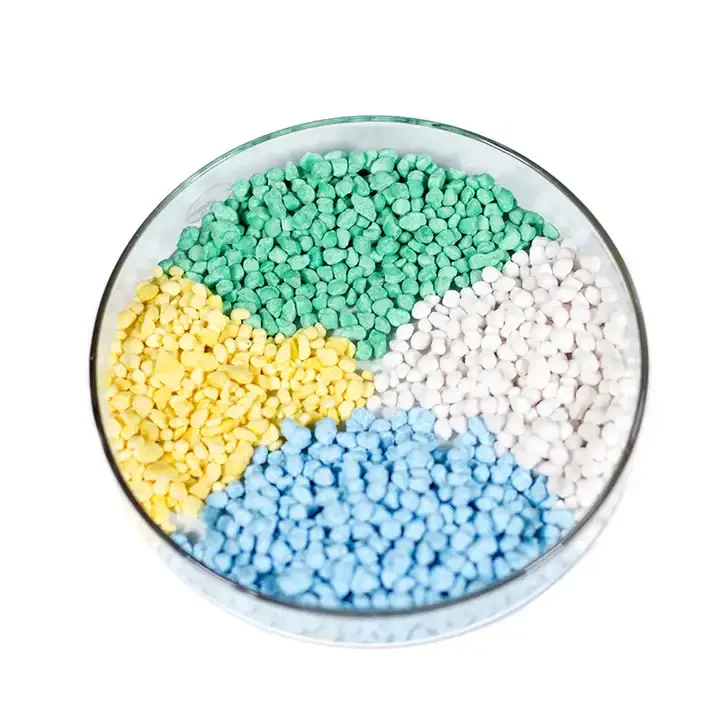
Ammonium sulfate is not a new product by any means, it’s a widely used product that is not going away and that offers us many benefits in a variety of markets, both domestically and internationally. Farmers apply ammonium sulfate to their soil to provide plants vital nutrients, including nitrogen and sulfur. And these nutrients also help plants develop into more fruits and vegetables, and ultimately lead to better harvests. In addition to promoting plant growth, ammonium sulfate helps the soil to maintain optimum integrity to lessen root spread and growth.
In addition, ammonium sulfate has a low pH, which may help lower the pH of alkaline soils. This is significant for plants because the correct pH level is required to absorb nutrients correctly. Using ammonium sulfate as fertilizer, farmers can make sure their plants receive everything they need to grow well.
Not only is ammonium sulfate useful in farming, but it is also found in several industries for a variety of reasons. For instance, it has long been used in the manufacturing of chemicals, textiles and medicines. Depending on what it is used for, its properties makes it a versatile material in many fields.

In the chemical industry, ammonium sulfate is employed to accelerate chemical reactions. Used as a mordant in the textile industry, it helps bind colors to fabrics. In medicine, ammonium sulfate is a good emetic that can cause rapid evacuation of the stomach, or to prevent blood clot formation. In general, ammonium sulfate is used in a multiple industries and it can deliver nutrients and other helpful properties.
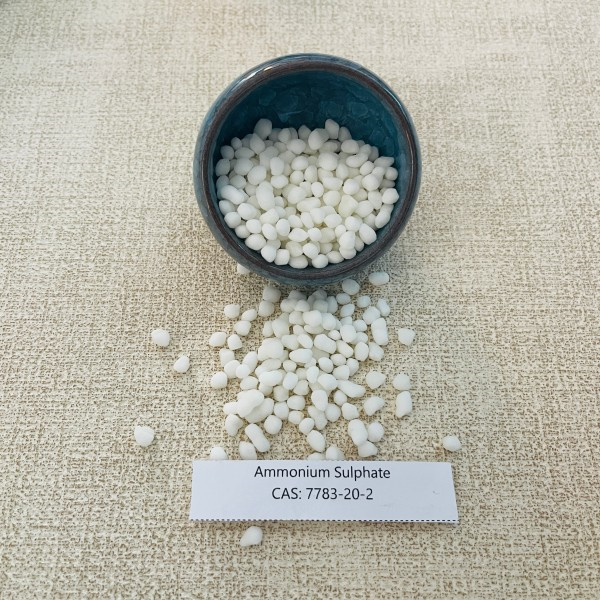
Although it is used for farming and industries, ammonium sulfate does have an effect on the environment that we need to consider. One potential problem is that a large amount of ammonium sulfate as a fertilizer could acidify the soil too much. This can damage plant roots and reduce crop yields over time. To prevent this from happening, farmers need to be judicious in their use of ammonium sulfate and think about alternate methods of farming, such as crop rotation and organic farming.
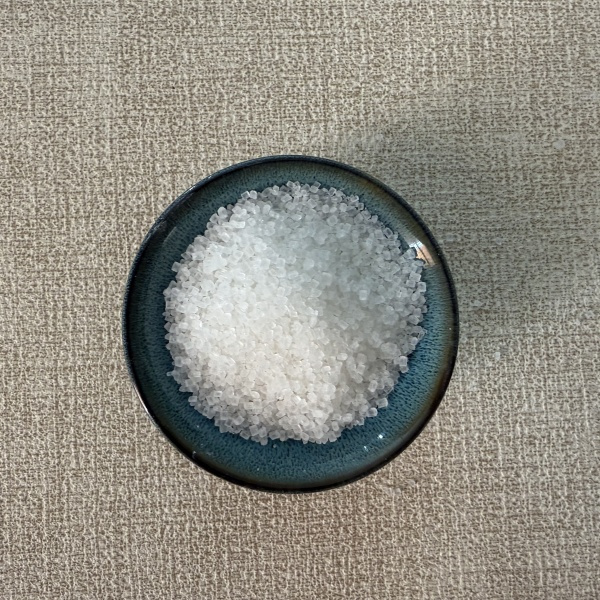
The manufacture of ammonium sulfate can be moderate on the environment as well. Producing ammonium sulfate requires energy and resources, contributing to greenhouse gas emissions. To mitigate these effects, companies like BANGZE are developing more environmentally friendly ways of manufacturing ammonium sulfate.
team is committed to nh4 2 so4highest quality chemicals. Every employee has strict adherence their responsibilities and is accountable for their job. We hope that our technology efforts will assist you produce more effective work.
Bangze nh4 2 so4services over 300 customers around globe. also export more than 90 countries regions across world.
Now have a team comprised of international trade experts who have more than 15 years' experience. We're looking o expand our international nh4 2 so4.believe that we can develop good collaboration with Southeast Asia the Middle East as well as Africa, North America and South America, Australia, many other countries.
Bangze offers more than 30 distinct product lines that can meet the needs over 300 customers within the nh4 2 so4industry. The company located in the province Shandong, which one of biggest chemical regions China.

Copyright © Shouguang Bangze Chemical Co.,Ltd. All Rights Reserved
 EN
EN
 AR
AR
 NL
NL
 HI
HI
 JA
JA
 KO
KO
 RU
RU
 TL
TL
 IW
IW
 ID
ID
 LV
LV
 LT
LT
 VI
VI
 TH
TH
 TR
TR
 AF
AF
 MS
MS
 BN
BN
 EO
EO
 LA
LA
 MN
MN
 SO
SO
 ONLINE